

Warehouse and Logistics Jobs in Germany for Immigrants: Germany, as Europe’s largest economy and a central logistics hub, offers substantial opportunities for immigrants in the warehouse and logistics sector. This industry is critical for the country’s export-oriented manufacturing and booming e-commerce, leading to consistent demand for reliable workers. For immigrants, this sector can provide a stable entry point into the German labor market, often with opportunities for skill development and career progression.
Advertisement
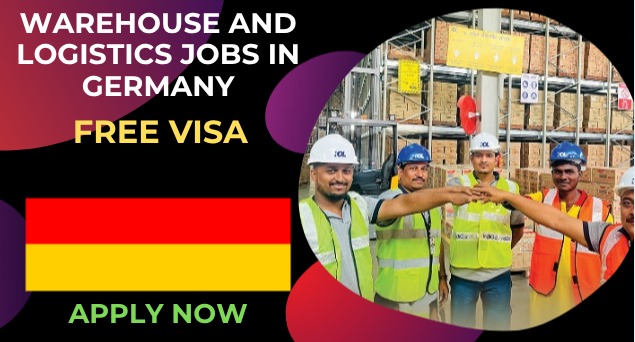
Overview of the Warehouse and Logistics Sector
The German logistics sector is highly developed, characterized by advanced automation, efficiency, and integration within global supply chains. Jobs range from manual handling to technically specialized roles, often located near major transport corridors, industrial parks, and inland ports like Duisburg, Frankfurt, and Hamburg.
Common Job Roles and Descriptions
Warehouse Operative (Lagerhelfer/Lagerfachhelfer): This is the most common entry-level position. Duties include loading/unloading trucks, picking and packing orders, sorting goods, and maintaining inventory records. Basic physical fitness and attention to detail are key.
Forklift Driver (Gabelstaplerfahrer): A specialized role requiring a certified license (“Staplerschein”). Operators are responsible for moving pallets and heavy goods within the warehouse. This qualification significantly increases employability and pay.
Logistics Specialist (Fachkraft für Lagerlogistik): This is a formally recognized three-year vocational training role (“Ausbildung”). It involves planning shipments, managing warehouse management systems (WMS), organizing storage, and coordinating dispatches. Immigrants can enter this as a career path.
Dispatcher (Disponent): An office-based role involving planning delivery routes, coordinating drivers, and communicating with customers. This requires strong organizational skills and often German language proficiency.
Package/Delivery Driver (Paketzusteller/Kurierfahrer): Responsible for the final leg of delivery, often for companies like DHL, Hermes, or DPD. A valid German driver’s license (Class B) is mandatory.
Visa and Work Permit Pathways
Immigrants from outside the EU/EEA must secure a valid residence permit for employment. The warehouse and logistics sector offers several relevant pathways.
Skilled Worker Visa: For roles that require formal vocational training (like “Fachkraft für Lagerlogistik”), immigrants must have their foreign qualifications officially recognized in Germany. A job offer from a German employer in this recognized profession is required.
EU Blue Card: This is generally not applicable for most warehouse roles, as it requires a university degree and a high salary threshold, which is atypical for entry-level logistics positions.
Opportunity Card (Chancenkarte): Starting from 2026, this new points-based system may be a viable route for skilled logistics workers without a prior job contract, allowing them to come to Germany to seek employment.
Jobseeker Visa: For qualified professionals with a recognized degree or vocational training, this visa allows a six-month stay to find a job. It is not typically suited for entry-level operative roles without formal qualifications.
For Non-Formally Skilled Roles: Securing a work visa for a basic warehouse operative role is challenging but possible if an employer can prove the position cannot be filled by an EU citizen. This often occurs in regions with acute labor shortages. The process requires employer sponsorship and approval from the Federal Employment Agency (Bundesagentur für Arbeit).
Key Requirements for Immigrants
Success in this sector depends on meeting specific practical and legal criteria.
Language Skills: For entry-level operative roles (picker/packer, forklift driver), basic German (A1/A2 level) is often sufficient for safety instructions and basic tasks. For any supervisory, planning, or customer-facing role (Dispatcher, Team Lead), German at B1 level or higher is almost always mandatory.
Qualifications and Licenses: A forklift license (Staplerschein) is a highly valuable asset and can be obtained in Germany through short courses. For driving roles, a valid German driver’s license is required (non-EU licenses typically must be converted). For skilled roles, the official recognition (Anerkennung) of foreign vocational qualifications is a mandatory step.
Personal Attributes: Employers prioritize reliability, punctuality, physical stamina, and a strong sense of responsibility. Teamwork and a strict adherence to Germany’s rigorous health and safety (Arbeitsschutz) regulations are non-negotiable.
Job Search and Application Strategy
A methodical approach is essential to connect with potential employers.
Step 1: Prepare Your Documents. Obtain a German-style CV (“Lebenslauf”) with a professional photo. Begin the process of having your qualifications recognized if applicable. If you are in Germany, obtain your “Staplerschein.”
Step 2: Target Your Search. Use major German job portals: StepStone.de, Indeed.de, and the Federal Employment Agency’s site (Jobboerse.arbeitsagentur.de). Search for keywords: “Lagerhelfer,” “Lagerlogistik,” “Gabelstaplerfahrer,” “Paketzusteller.” Register with “Zeitarbeitsfirmen” (temporary work agencies) like Randstad, Adecco, or Manpower, which are major gateways into logistics jobs. Research large logistics firms: DHL Supply Chain, DB Schenker, Kühne + Nagel, Rhenus Logistics, and Amazon Logistics.
Step 3: Ace the Application. Highlight any relevant experience, even from abroad. Emphasize your reliability and willingness to work shifts (early, late, weekends). For interviews, demonstrate your understanding of safety and your motivation to integrate and build a career in Germany.
Salary Expectations and Working Conditions
Pay is governed by collective bargaining agreements (“Tarifverträge”) in many large companies, ensuring fair standards.
Typical Gross Monthly Salaries (Bruttogehalt):
-
Warehouse Operative (Lagerhelfer): €2,200 – €2,800
-
Certified Forklift Driver: €2,500 – €3,200
-
Certified Logistics Specialist (Fachkraft): €2,800 – €3,500+
-
Dispatcher: €3,000 – €4,000
Conditions: Shift work is very common. Overtime pay and bonuses for night/weekend shifts are standard. Permanent contracts offer strong job security, while work through temporary agencies offers flexibility and a foot in the door. All workers are covered by Germany’s robust social security system (health, pension, unemployment insurance).
Final Summary
Warehouse and Logistics Jobs in Germany for Immigrants: The warehouse and logistics sector in Germany offers immigrants a viable and structured career path. While entry-level roles are accessible, investing in key certifications like the forklift license or pursuing formal vocational training (“Ausbildung”) as a Logistics Specialist dramatically improves long-term prospects, salary, and visa security. Success is built on a foundation of reliability, a commitment to safety, and a proactive effort to learn the German language. Begin by assessing your qualification recognition pathway, enhancing your practical certifications, and connecting with the specialized temporary work agencies that serve as the sector’s primary recruiters.
Disclaimer
This job information is shared for educational and informational purposes only.
Any discussion of visa categories is based on general immigration laws and publicly available information.