

Warehouse and Factory Jobs in Germany for Foreign Workers 2025: Germany continues to experience labour shortages in logistics and manufacturing, making warehouse and factory jobs one of the most accessible employment options for foreign workers in 2025. These roles often do not require a university degree, focus on practical skills, and can be pathways to work permits and long-term settlement.
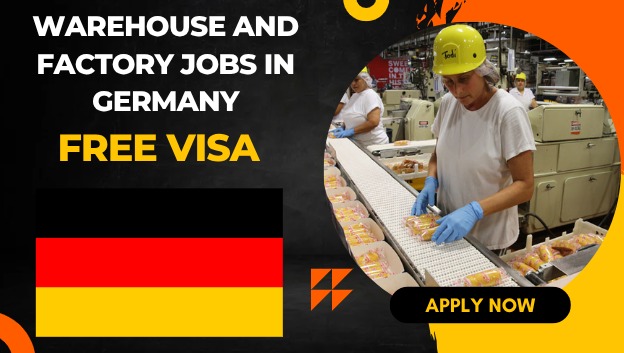
This guide explains what jobs are available, visa options, eligibility, wages, and how to apply — all in clear English.
Why Warehouse and Factory Jobs Are in Demand in Germany
Germany is Europe’s largest manufacturing economy. With growing e-commerce, industrial production, and supply chain expansion:
Logistics centres need more workers
Factories require production staff
Seasonal and permanent jobs are increasing
Local labour shortages create opportunities for foreign workers
Because of this demand, employers are open to hiring international applicants with proper visas.
Common Warehouse Jobs Available
Warehouse roles are found in logistics and distribution hubs near big cities.
1. Warehouse Associate
Picking and packing orders
Sorting products
Loading/unloading goods
Stock organisation
2. Forklift Operator
Operating forklift and pallet trucks
Moving heavy goods
Warehouse inventory work
Forklift certification increases your chances.
3. Order Picker
Scanning and picking items
Preparing shipments
Labeling and packing
4. Inventory Assistant
Counting stock
Warehouse data entry
Location management
Common Factory Jobs Available
Factory jobs range from general labour to specific machine work.
1. Assembly Line Worker
Putting parts together
Quality checks
Production support
2. Machine Operator
Operating industrial machines
Feeding raw materials
Following safety guidelines
3. Production Worker
Packing finished goods
Inspecting products
Machine monitoring
4. Quality Control Helper
Checking products for defects
Reporting issues
Supporting production teams
Visa Options for Warehouse and Factory Jobs
Germany offers work visas for foreign workers, but application requirements vary based on job skill level.
1. Skilled Worker Visa (Fachkräfte)
Best for jobs requiring skills or experience.
Features:
Job offer from a German employer
Relevant work experience required
Salary meets minimum threshold
Pathway to permanent residency
Some warehouse and factory roles can qualify if they are in shortage lists and require training.
2. EU Blue Card
For high-skilled workers (less common for warehouse jobs).
Suitable for:
Highly qualified professionals
Specialized technical roles
Not typical for general factory or warehouse work.
3. Work Permit Through Job Offer
For semi-skilled roles, a normal work permit can be given if:
Employer proves no local worker is available
You have basic experience or training
This is common for warehouse and production positions.
Eligibility Requirements
To work in Germany legally:
Valid passport
Job offer from a German employer
Work contract
Health insurance
Proof of basic language or willingness to learn German
Clean criminal record
Degrees are not always required — experience and reliability matter.
Salary Expectations in 2025
Wages vary by region and company. Approximate ranges:
Warehouse Roles
Warehouse associate: €12 – €16 per hour
Forklift operator: €14 – €18 per hour
Order picker: €13 – €17 per hour
Factory Roles
Production worker: €12 – €16 per hour
Machine operator: €13 – €18 per hour
Assembly worker: €12 – €15 per hour
German labour laws also provide overtime pay and paid leave.
Language Requirement
German language skills help greatly.
Basic German (A1–A2) increases job chances
Employers prefer workers who can communicate
Many companies offer on-the-job language support
English alone may limit options.
How to Apply for Warehouse & Factory Jobs
Step-by-Step Process
Prepare a German-style resume
Include work experience and skills clearly
Look for employers offering visa sponsorship
Logistics companies
Manufacturing plants
Apply with resume and cover message
Emphasise reliability and experience
Attend interview (phone/online)
Be ready to discuss work duties
Receive job offer and contract
Employer sends formal offer
Apply for visa at German mission
Submit job offer and supporting documents
Wait for visa decision and travel
Avoid any offers that ask for upfront payment.
Important Tips for Foreign Workers
Learn basic German — it greatly improves job prospects
Highlight any logistics or manual work experience
Seek companies that support language training
Gain forklift or machine certifications if possible
Check German labour rights before signing contracts
Final Words
Warehouse and factory jobs in Germany for foreign workers in 2025 provide genuine job opportunities, especially for applicants without university degrees. These roles offer stable income, work experience, and legal pathways if you follow the proper visa process.
With good preparation, clear documents, and the right job search strategy, working in Germany’s logistics or manufacturing industry can be a strong step toward building a career abroad.
Disclaimer
This job information is shared for educational and informational purposes only.
Any discussion of visa categories is based on general immigration laws and publicly available information.