
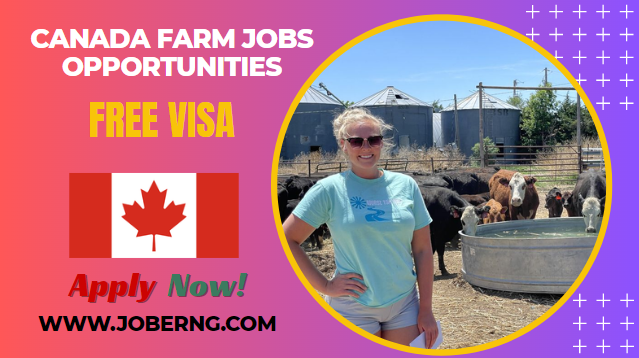
Canada Farm Jobs – Farm Worker Opportunities & Guide: Canada has a large and diverse agriculture sector, creating employment opportunities in crop farming, livestock production, dairy operations, greenhouses, nurseries, and harvesting. For people interested in outdoor and hands-on work, Canada farm jobs can be an option worth exploring.
Canada Farm Jobs – Farm Worker Opportunities & Guide
Farm work can range from general labour and crop harvesting to livestock care and operating agricultural machinery. Some positions are seasonal, while others may offer longer employment depending on the farm, location, occupation, and applicable employment program.
This guide explains the types of farm worker jobs in Canada, common requirements, wages, where to search for vacancies, and important information for foreign workers.
What Are Canada Farm Jobs?
Canada farm jobs include a wide variety of agricultural positions. Workers may help grow crops, look after animals, maintain farm facilities, operate equipment, or prepare agricultural products for market.
The Government of Canada classifies primary agricultural work as activities carried out on farms, nurseries, or greenhouses, including crop production, animal care, and agricultural machinery operations.
Common positions include:
- General farm worker
- Farm labourer
- Crop farm worker
- Harvesting worker
- Livestock worker
- Dairy farm worker
- Poultry farm worker
- Greenhouse worker
- Nursery worker
- Farm machinery operator
- Fruit and vegetable picker
- Grain farm worker
The actual duties and requirements depend on the employer and type of farm.
Types of Farm Worker Jobs in Canada
1. General Farm Worker
General farm workers assist with everyday agricultural activities. Their duties can include preparing fields, planting crops, cleaning work areas, moving materials, and helping with harvesting.
Some entry-level positions provide training on the job rather than requiring extensive formal education.
2. Crop and Harvesting Jobs
Crop workers may be involved in planting, watering, weeding, thinning, harvesting, sorting, and packing agricultural products.
Harvesting work is common on fruit, vegetable, and specialty crop farms. According to Canada’s Job Bank, harvesting labourers generally assist with planting, harvesting, sorting, and packing crops.
3. Livestock Farm Jobs
Livestock workers help care for animals and maintain farm facilities. Depending on the farm, responsibilities may include feeding animals, cleaning barns, checking animal health, and assisting with routine farm operations.
Livestock farming can include cattle, dairy, poultry, sheep, and other agricultural operations.
4. Dairy Farm Jobs
Dairy farms require workers to assist with animal care and daily dairy operations. Duties can include feeding cattle, cleaning facilities, maintaining equipment, and assisting with milking activities.
Experience with cattle or dairy farming can be useful, although some employers may provide workplace training.
5. Greenhouse and Nursery Jobs
Greenhouses and nurseries can provide employment in planting, watering, pruning, transplanting, harvesting, packaging, and general plant care.
These jobs can be suitable for people interested in horticulture and plant production.
Farm Worker Salary in Canada
Farm worker wages vary depending on the occupation, province, employer, experience, and type of work.
For example, Canada’s Job Bank currently lists the national wage range for general labourers on farms at approximately $17.00 to $26.25 per hour, with a median of $19.00 per hour. These figures were updated in November 2026 and are based on the reference period shown by Job Bank.
For livestock farm hands, Job Bank lists a national range of approximately $15.00 to $28.00 per hour, with a median of $20.00 per hour.
These figures are useful as a general reference, but they should not be treated as a guaranteed salary. Always check the wage stated in the individual job advertisement and employment agreement.
What Qualifications Do You Need for Farm Jobs?
Requirements depend on the position.
Many general agricultural jobs are practical and may not require a university degree. Some employers prefer previous farm experience, while others provide training after hiring.
Typical requirements can include:
- Ability to perform physical work
- Willingness to work outdoors
- Basic understanding of farm safety
- Ability to follow instructions
- Good physical stamina
- Previous agricultural experience, where required
- Experience operating machinery for equipment-related positions
- Reliable attendance
- Basic communication skills
For harvesting occupations, Canada’s Job Bank indicates that short-term work experience and on-the-job training are commonly associated with the occupation, although individual employers can set their own requirements.
Farm Work in Different Canadian Provinces
Agriculture is an important part of several Canadian provinces, but the type of farming varies by region.
Alberta
Alberta has opportunities connected with livestock, cattle, grain, and other agricultural operations. Farm machinery and livestock-related positions may be available depending on seasonal and local demand.
British Columbia
British Columbia has agricultural activity involving fruit, vegetables, nurseries, greenhouses, and other crops.
Ontario
Ontario has a broad agricultural sector, including crop production, livestock, greenhouse operations, and fruit and vegetable farming.
Manitoba
Manitoba is known for grain and other agricultural production and also has livestock and mixed farming operations.
Saskatchewan
Saskatchewan has a major agricultural industry, particularly in grain, oilseed, and related farming activities.
The availability of jobs changes throughout the year, so applicants should check current vacancies rather than relying only on general information about a province.
Can Foreign Workers Apply for Farm Jobs in Canada?
Yes, some Canadian employers can hire temporary foreign agricultural workers when they meet the requirements of Canada’s applicable temporary foreign worker programs.
The Government of Canada lists several options for temporary foreign agricultural workers, including the Seasonal Agricultural Worker Program, the Agricultural Stream, and certain high-wage and low-wage streams. Eligibility depends on factors such as the worker’s country, occupation, agricultural production, employer, and program requirements.
Importantly, not every farm job provides visa sponsorship or a work permit. Applicants should carefully check whether a particular employer is recruiting foreign workers and whether the position meets the relevant immigration requirements.
Canada Agricultural Stream
The Agricultural Stream is one pathway through which eligible Canadian agricultural employers can hire temporary foreign workers.
The Government of Canada states that the stream applies to certain commodity sectors and on-farm primary agriculture activities. The national commodity list includes areas such as dairy, bovine, poultry, fruits and vegetables, grains, nursery operations, mushrooms, sheep, and swine.
Workers should always review the current official requirements before making an application because immigration rules and program conditions can change.
Seasonal Agricultural Worker Program
The Seasonal Agricultural Worker Program, commonly called SAWP, is designed for eligible seasonal agricultural employment.
The program has specific country eligibility rules. According to the Government of Canada, workers under SAWP come from Mexico or participating Caribbean countries, and the agricultural production must fall within the applicable national commodity list.
Therefore, workers from other countries should not assume that SAWP is available to them. They should investigate other eligible immigration or employment pathways.
How to Find Farm Jobs in Canada
One of the safest ways to begin your search is through Canada’s official Job Bank.
The Government of Canada also provides resources specifically for people looking for agricultural employment, including information about jobs from employers interested in recruiting temporary foreign workers.
When searching online, useful keywords include:
- Canada farm worker jobs
- General farm worker Canada
- Farm labourer jobs Canada
- Harvesting jobs Canada
- Dairy farm jobs Canada
- Livestock farm jobs Canada
- Greenhouse jobs Canada
- Fruit picking jobs Canada
- Agricultural worker Canada
- Farm jobs with temporary foreign workers
Always read the complete job advertisement before applying.
What Should You Check in a Job Advertisement?
A legitimate job advertisement should provide enough information for you to understand the position.
Look for:
- Employer or farm name
- Job title
- Work location
- Job duties
- Wage or salary information
- Working hours
- Employment duration
- Required experience
- Accommodation information, if offered
- Application instructions
- Work authorization information
For employers hiring through the Agricultural Stream, Canadian government requirements include information such as the employer’s operating name, job duties, employment terms, wage, location, contact information, and skills requirements in recruitment advertisements.
Accommodation and Worker Rights
Foreign agricultural workers in Canada have legal protections.
The Government of Canada states that temporary foreign workers have rights and protections under Canadian law. Housing requirements can vary depending on the program and employment situation.
If accommodation is provided, workers should understand the housing arrangements and any permitted deductions from their wages before accepting the position.
Never assume that an advertised job automatically includes free accommodation, food, transportation, or airfare. These benefits should be clearly stated by the employer.
Beware of Farm Job Scams
Farm jobs advertised online can sometimes be used by scammers to target people looking for overseas employment.
Be cautious if someone:
- Guarantees a Canadian work permit
- Promises a job without an interview or application
- Requests unusual upfront payments
- Uses an unofficial email address while claiming to represent a major employer
- Refuses to provide the employer’s legal details
- Asks for sensitive personal information too early
- Promises extremely high wages for simple farm work
A genuine job offer should be independently verified. If an employer claims that a position is available through a Canadian immigration program, check the information through official Canadian government resources.
Tips for Applying for Canada Farm Jobs
A strong application can make it easier for an employer to understand your experience.
Prepare a Simple Resume
Mention relevant agricultural experience clearly. Include the type of farm you worked on, your responsibilities, machinery experience, animal-care experience, and approximate length of employment.
Highlight Practical Skills
Farm employers may value practical experience such as:
- Crop planting
- Harvesting
- Irrigation
- Animal feeding
- Tractor operation
- Equipment maintenance
- Greenhouse work
- Packing and sorting
- Farm cleaning
Check the Location
Agricultural jobs are often located outside major Canadian cities. Make sure you understand where the farm is located before applying.
Read the Contract
Before accepting an offer, review wages, working hours, accommodation, deductions, transportation, job duties, and employment duration.
Is Farm Work in Canada a Good Career Option?
Farm work can be a useful employment option for people who enjoy practical, physical, and outdoor work. It can also provide experience in agriculture, livestock care, crop production, machinery, and farm management.
However, it is important to have realistic expectations. Farm work can involve long periods of standing, repetitive tasks, changing weather conditions, early mornings, and physically demanding duties.
The right opportunity depends on your skills, experience, location, employment goals, and eligibility to work in Canada.
Frequently Asked Questions
Are farm jobs available in Canada?
Yes. Canada’s agricultural sector includes employment in crop production, livestock, harvesting, greenhouses, nurseries, and other agricultural activities. Current vacancies can be found through employment resources such as Job Bank.
Can foreigners get farm jobs in Canada?
Some Canadian agricultural employers can hire temporary foreign workers under eligible programs. However, eligibility is not automatic, and the employer and worker must meet the applicable requirements.
Do farm jobs in Canada require a degree?
Many entry-level farm positions do not require a university degree. Requirements vary by occupation and employer, and some positions provide on-the-job training.
How much does a farm worker earn in Canada?
Wages vary by occupation and location. For example, Job Bank currently reports a national median wage of about $19 per hour for general farm labourers. Individual job offers may be higher or lower depending on the position and province.
Where can I search for Canadian farm jobs?
Canada’s official Job Bank is a useful starting point. The Government of Canada also provides agricultural employment resources for job seekers.
Are all Canadian farm jobs available with visa sponsorship?
No. A farm job advertisement should not be assumed to include immigration support. Foreign applicants should verify whether the employer is eligible and willing to hire temporary foreign workers and whether the position meets the relevant requirements.
Final Thoughts
Canada farm jobs cover many different types of employment, from crop harvesting and greenhouse work to livestock and dairy farming. The requirements, wages, working conditions, and availability can vary significantly between employers and provinces.
If you are interested in working in Canadian agriculture, start by researching legitimate vacancies, checking the employer carefully, understanding the job requirements, and using official Canadian government resources for immigration and work-permit information.
For foreign workers, the most important step is to verify information before paying money or providing personal documents. A genuine employment opportunity should have clear job details and should be consistent with Canada’s employment and immigration rules.
With careful research and realistic expectations, farm worker opportunities can be worth exploring for people interested in Canada’s agricultural sector.